Agra – The City of the Taj Mahal
While Agra is globally synonymous with the Taj Mahal, the ivory-white marble mausoleum built by Shah Jahan, the city offers much more. The Agra Fort, a UNESCO World Heritage site, is a massive red sandstone fortress that served as the main residence of the Mughal Emperors. Another architectural gem is the Itmad-ud-Daulah, often called the “Baby Taj” for its intricate marble inlay work.
For the best views of the Taj at sunset, visit Mehtab Bagh (The Moonlight Garden) across the Yamuna River. A short excursion to Fatehpur Sikri, the deserted Mughal capital, allows you to explore the Buland Darwaza and the Tomb of Salim Chishti, showcasing the height of Mughal architectural brilliance
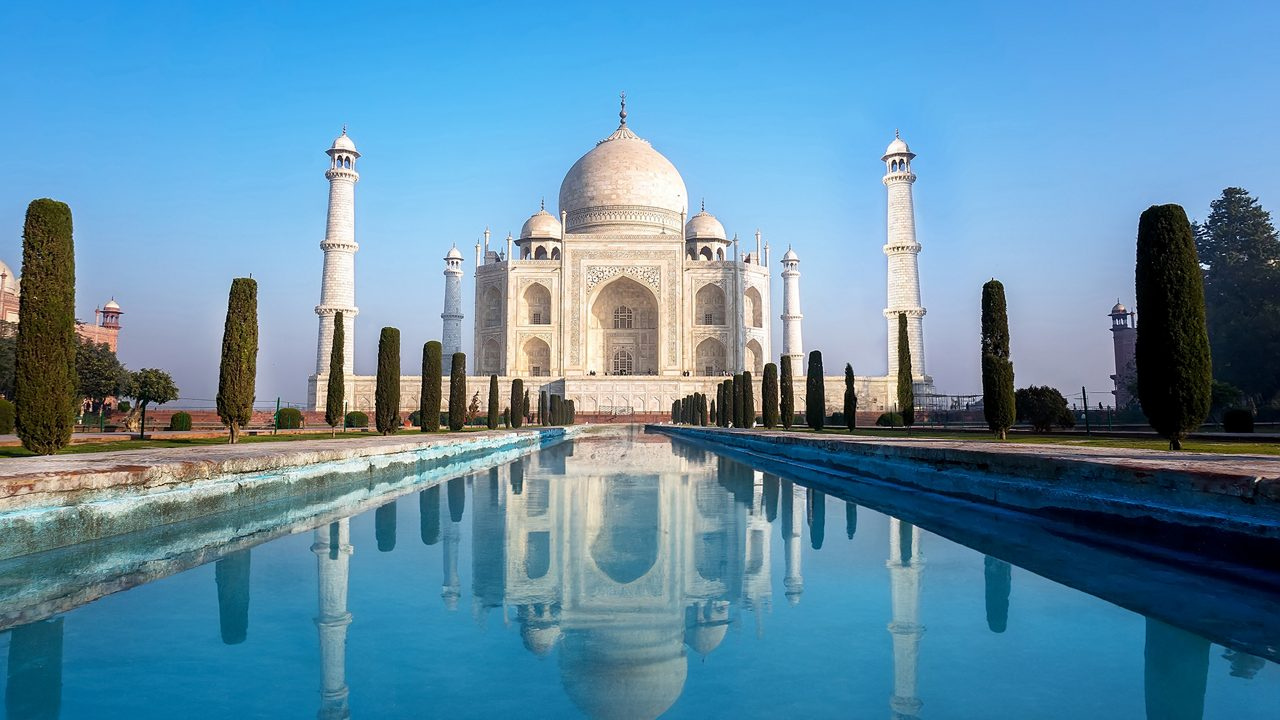
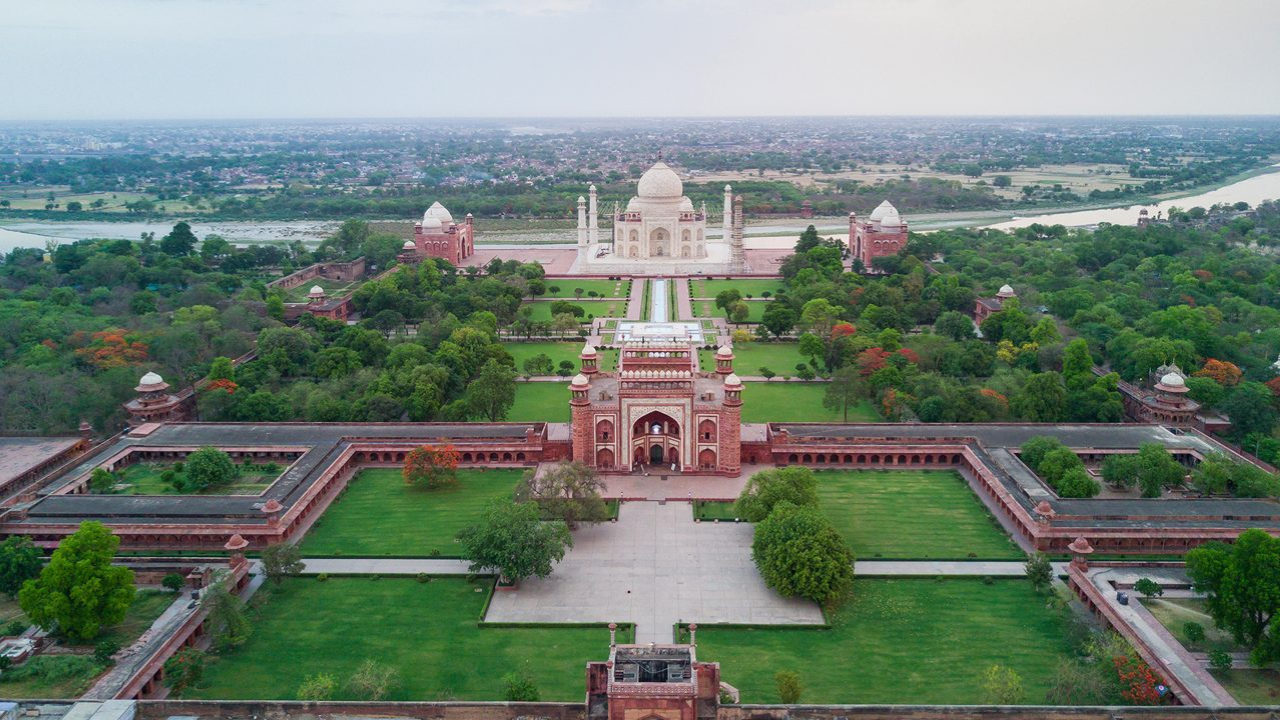
Taj Mahal: The Taj Mahal is one of the most iconic monuments in the world and a UNESCO World Heritage Site. Built between 1632 and 1653 by Mughal Emperor Shah Jahan, it was constructed in memory of his beloved wife Mumtaz Mahal. Made entirely of white marble, the monument symbolizes eternal love and architectural perfection.
Skilled artisans from India, Persia, and Central Asia worked on its intricate carvings, pietra dura inlay work, and calligraphy. The central dome, flanked by four minarets, reflects Mughal symmetry and precision. The Taj changes color throughout the day, appearing pink at dawn, white during noon, and golden at sunset, adding to its mystical charm.
Entry Time: Sunrise – Sunset (Closed Friday)
Entry Fee:
• Indians: ₹50
• Foreigners: ₹1,100
• Mausoleum: ₹200 extra
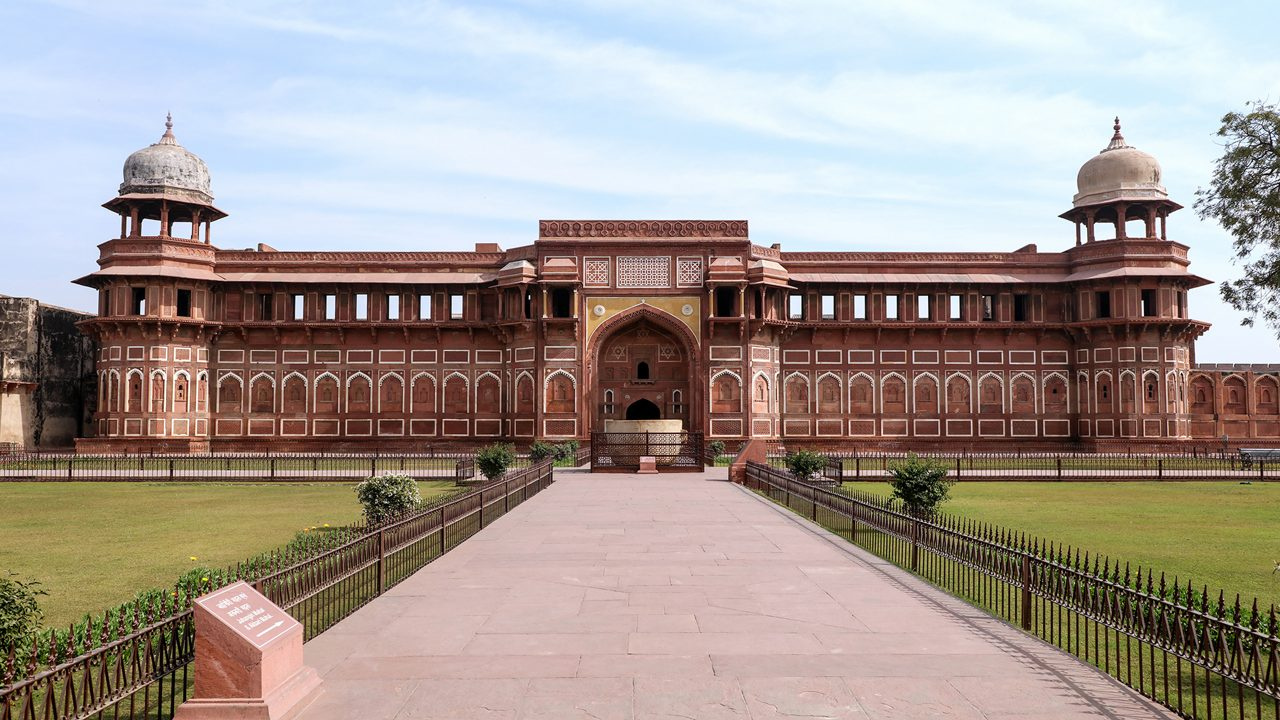
Agra Fort: Agra Fort is a massive red sandstone fortress and a UNESCO World Heritage Site. Built primarily by Emperor Akbar in 1565, it served as the main residence of Mughal emperors until the capital shifted to Delhi. The fort houses palaces, audience halls, mosques, and gardens reflecting a blend of Islamic and Hindu architectural styles. Shah Jahan was imprisoned here by his son Aurangzeb and spent his last days gazing at the Taj Mahal from the Musamman Burj. The fort narrates stories of power, betrayal, and royal life of the Mughal era.
Entry Time: 6:00 AM – 6:00 PM
Entry Fee:
• Indians: ₹50
• Foreigners: ₹650
Fatehpur Sikri: Fatehpur Sikri was built by Emperor Akbar in the late 16th century and served as the Mughal capital for nearly 14 years. The city was abandoned due to water scarcity but remains one of the best-preserved Mughal architectural complexes. It includes Buland Darwaza, Jama Masjid, Panch Mahal, Diwan-i-Khas, and royal palaces. The city reflects Akbar’s vision of religious harmony, blending Hindu, Islamic, and Persian elements. Fatehpur Sikri stands as a testimony to Mughal grandeur and planning.
Entry Time: Sunrise – Sunset
Entry Fee:
• Indians: ₹50
• Foreigners: ₹610
Itmad-ud-Daulah’s Tomb (Baby Taj): Often called the “Baby Taj,” this tomb was built by Nur Jahan for her father Mirza Ghiyas Beg. Constructed between 1622 and 1628, it was the first Mughal monument made entirely of marble. The tomb is renowned for its delicate inlay work and lattice screens, which later inspired the Taj Mahal. Set on the banks of the Yamuna River, the monument reflects elegance and refinement.
Entry Time: 8:00 AM – 6:00 PM
Entry Fee:
• Indians: ₹30
• Foreigners: ₹310
Mehtab Bagh: Mehtab Bagh is a charbagh-style garden located opposite the Taj Mahal across the Yamuna River. Built by Emperor Babur and later restored by Shah Jahan, it was intended as a moonlit garden offering a perfect view of the Taj. Today, it is a popular sunset viewpoint and photography spot, offering serene views without heavy crowds.
Entry Time: 6:00 AM – 6:00 PM
Entry Fee:
• Indians: ₹30
• Foreigners: ₹300
Jama Masjid: Built in 1648 by Shah Jahan’s daughter Jahanara Begum, Jama Masjid is one of the largest mosques in India. Constructed using red sandstone and marble, it showcases Mughal elegance and spiritual importance. The mosque can accommodate thousands of worshippers and offers panoramic views of Agra Fort.
Entry Time: 6:00 AM – 7:00 PM
Entry Fee: Free
Akbar’s Tomb, Sikandra: Akbar’s Tomb is located in Sikandra and reflects the emperor’s philosophy of religious tolerance. Built by Jahangir, the structure combines Islamic, Hindu, Buddhist, and Jain design elements. The five-storey monument is surrounded by lush gardens and deer roam freely in the complex.
Entry Time: 6:00 AM – 6:00 PM
Entry Fee:
• Indians: ₹30
• Foreigners: ₹310
Mariam-uz-Zamani Tomb: This tomb belongs to Akbar’s Rajput wife and Jahangir’s mother. Built by Jahangir, it blends Rajput and Mughal architecture. The structure highlights Akbar’s inclusive ideology and respect for diverse cultures.
Entry Time: 6:00 AM – 6:00 PM
Entry Fee: Free
Chini Ka Rauza: Chini Ka Rauza is the tomb of Afzal Khan, a poet and scholar during Shah Jahan’s reign. It is famous for its colorful glazed tiles imported from Persia. Though partially ruined, it remains historically significant for its unique decoration.
Entry Time: 6:00 AM – 6:00 PM
Entry Fee: Free
Ram Bagh: Ram Bagh is the oldest Mughal garden in India, built by Babur in 1528. Designed in Persian style, it represents the early Mughal love for gardens and nature.
Entry Time: 6:00 AM – 6:00 PM
Entry Fee:
• Indians: ₹25
• Foreigners: ₹300
A journey through the architectural grandeur of the Mughal Empire.
- Trip Info: Destination: Agra | Guide: One Person | Language: Hindi, English
- Trip Type: Outstation Taxi Booking
- Free Cancellation: Yes
Key Attractions
- Taj Mahal