Gaya & Bodhgaya – The Land of Enlightenment
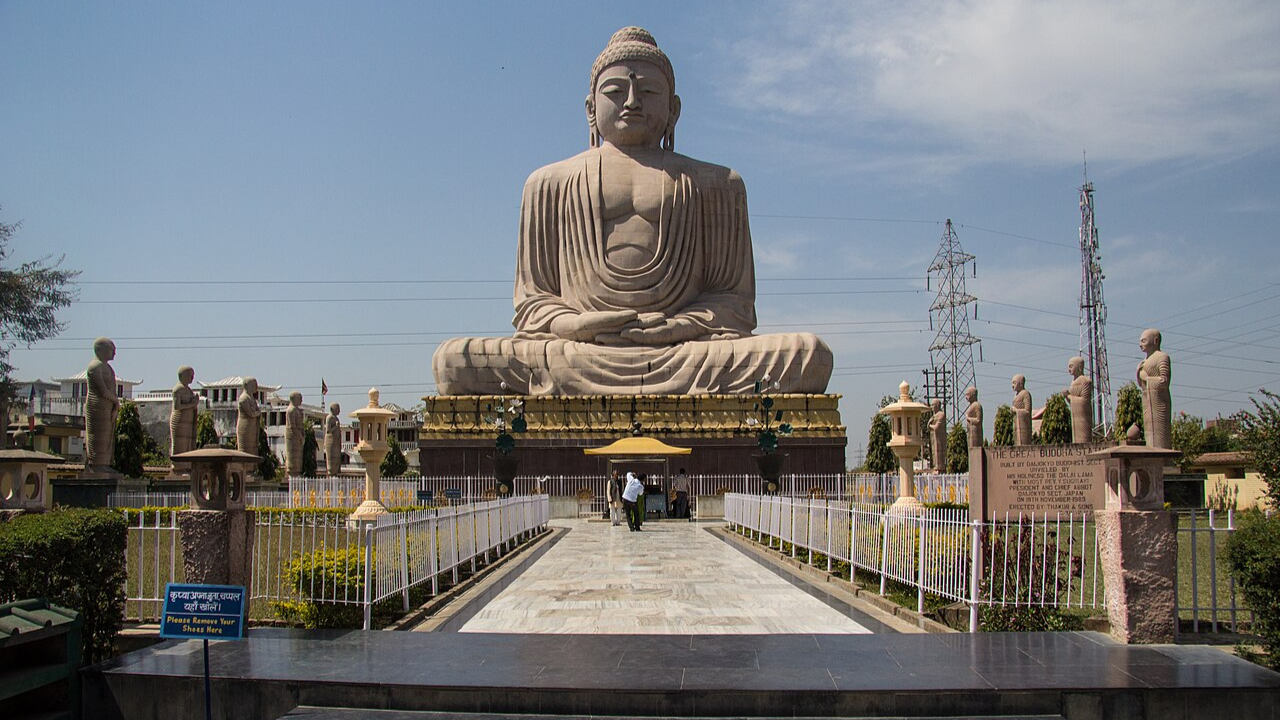
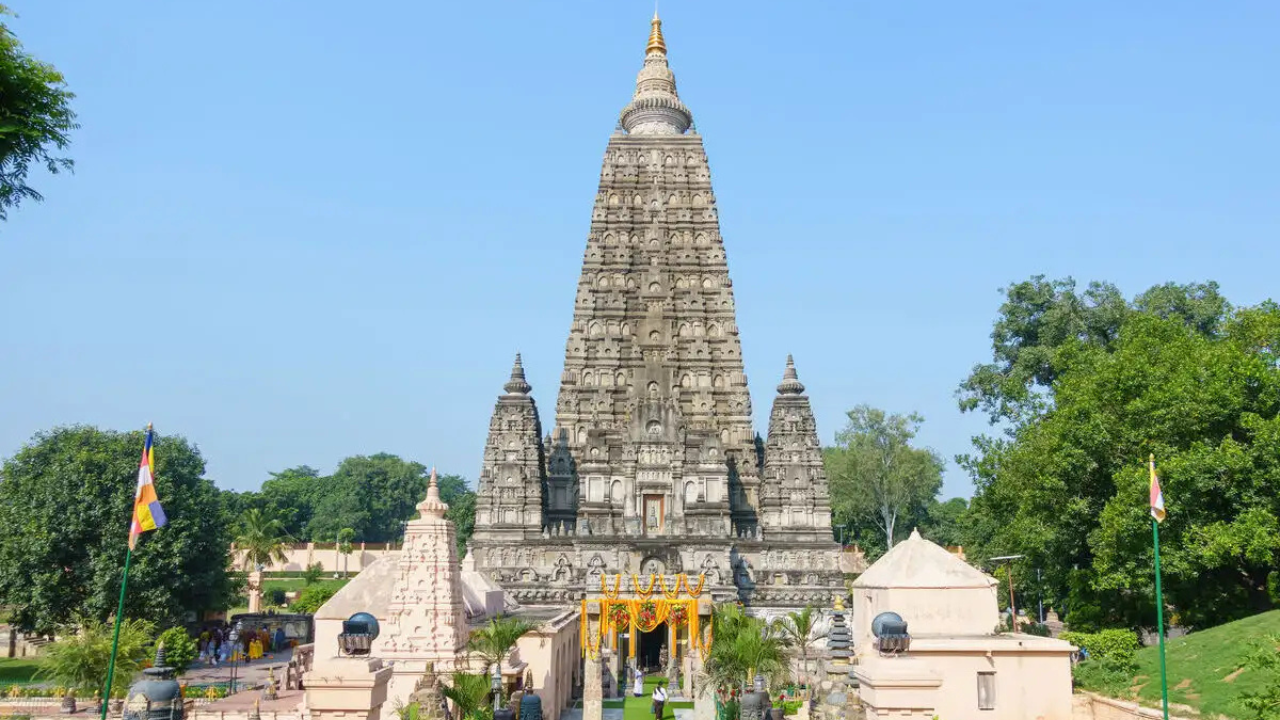
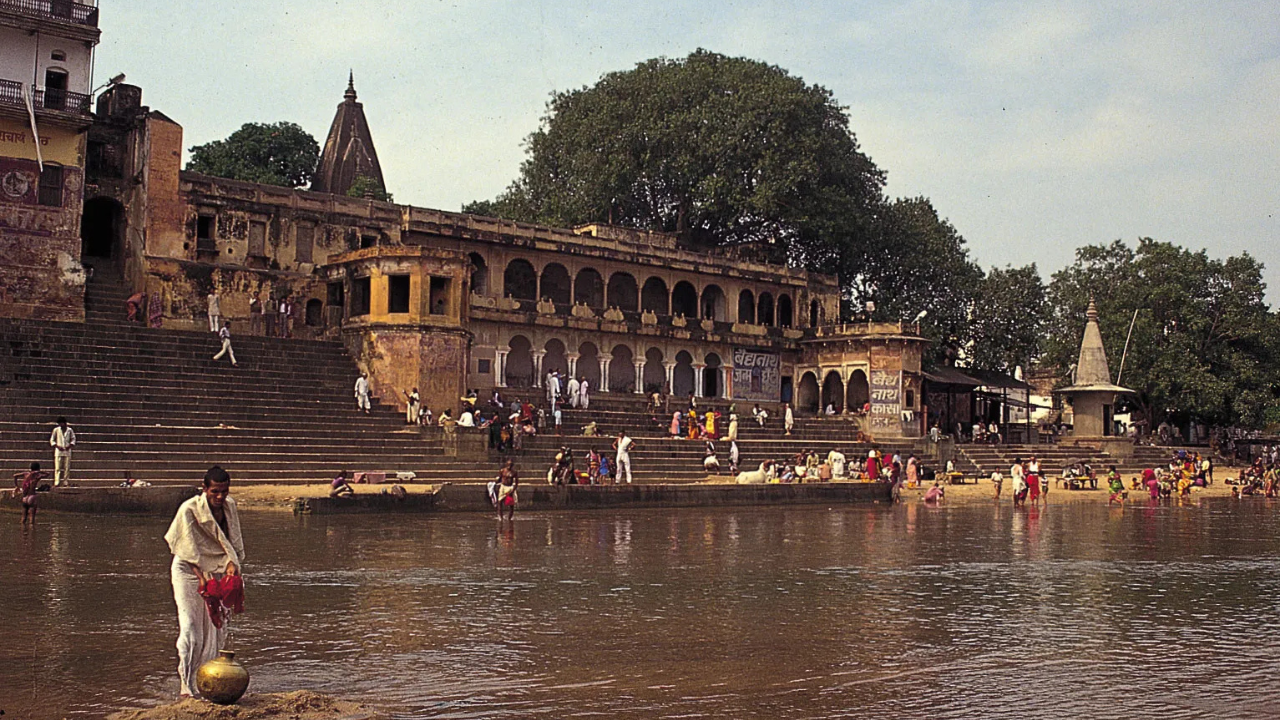
Bodhgaya is the most sacred Buddhist pilgrimage site in the world. It is here, under the sacred Bodhi Tree, that Prince Siddhartha attained enlightenment to become the Buddha. The Mahabodhi Temple complex, a UNESCO World Heritage site, is the focal point, featuring the diamond throne and the serene meditating Buddha statue. Nearby, the Great Buddha Statue (80 ft) and various international monasteries (Japanese, Thai, Tibetan) showcase diverse Buddhist cultures. Adjacent to Bodhgaya is the city of Gaya, primarily known for the Vishnupad Temple. Here, Hindus from across the country perform the “Pinda Daan” ritual on the banks of the Falgu River to ensure peace for the souls of their ancestors.
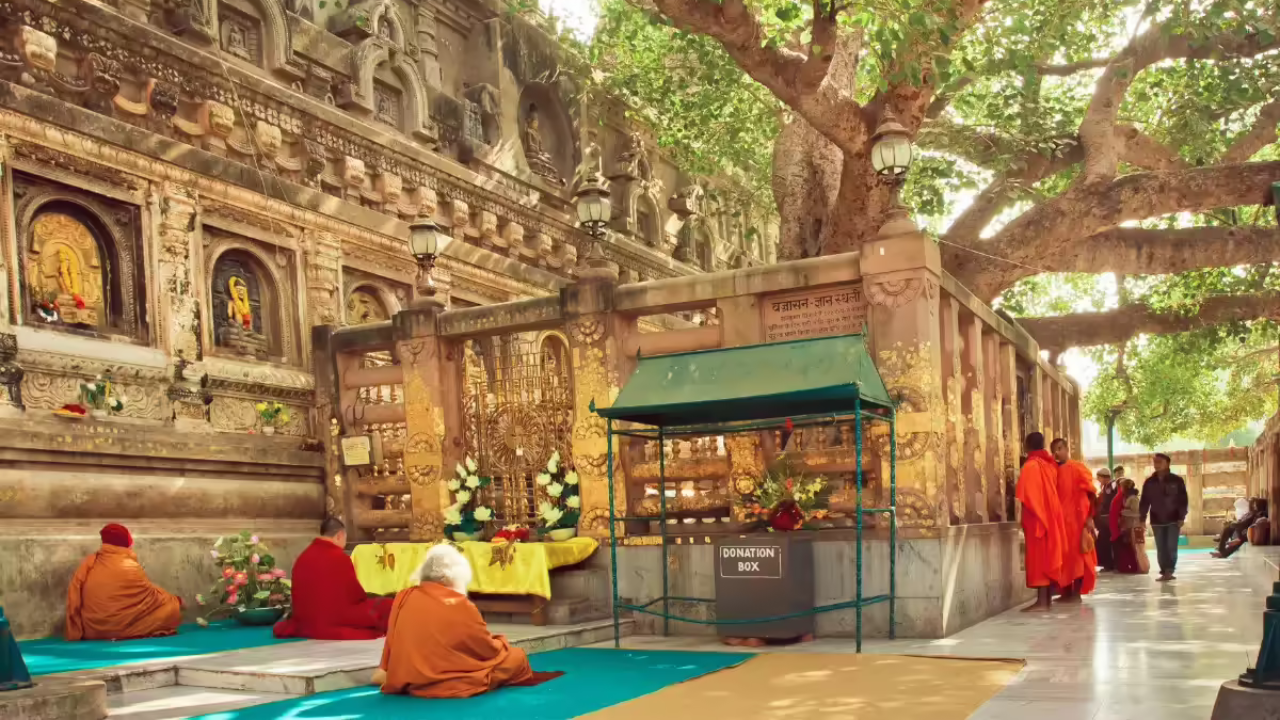
Mahabodhi Temple – Bodh Gaya: The Mahabodhi Temple is one of the most sacred Buddhist sites in the world and a UNESCO World Heritage Site. This is the place where Prince Siddhartha attained enlightenment under the Bodhi Tree and became Gautama Buddha around the 6th century BCE. The temple complex was originally built by Emperor Ashoka in the 3rd century BCE and later renovated over centuries. The towering pyramidal spire, ancient sculptures, and serene environment attract pilgrims from Japan, Thailand, Sri Lanka, Tibet, and beyond. It symbolizes peace, enlightenment, and spiritual awakening.
Entry Time: 5:00 AM – 9:00 PM
Entry Fee: Free
Meditation Hall Fee: ₹100 (optional)
Bodhi Tree – Bodh Gaya: The Bodhi Tree stands beside the Mahabodhi Temple and is believed to be a direct descendant of the original tree under which Buddha attained enlightenment. This sacred fig tree represents wisdom, knowledge, and liberation. Pilgrims meditate, chant, and offer prayers beneath its shade, believing it grants peace and clarity. The Animesh Lochana Chaitya nearby marks the spot where Buddha gazed at the tree for a week without blinking. The atmosphere around the Bodhi Tree is deeply spiritual and calm.
Entry Time: 5:00 AM – 9:00 PM
Entry Fee: Free
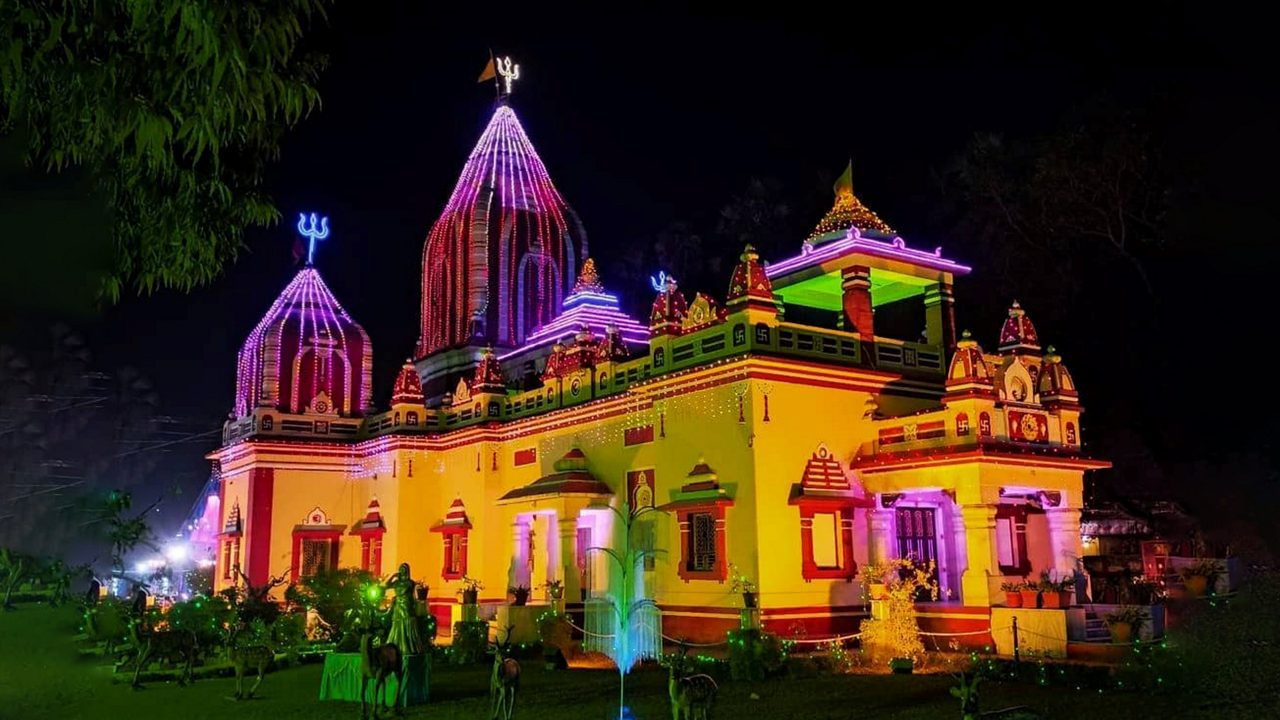
Vishnupad Temple – Gaya: Vishnupad Temple is one of the most revered Hindu temples in Gaya, dedicated to Lord Vishnu. According to legend, the temple houses a 40 cm footprint of Lord Vishnu impressed on a solid rock while subduing the demon Gayasur. Built in the 18th century by Queen Ahilyabai Holkar, the temple is a major center for Pind Daan rituals, performed for ancestors’ salvation. Situated on the banks of the Falgu River, it is considered extremely auspicious.
Entry Time: 6:00 AM – 7:00 PM
Entry Fee: Free
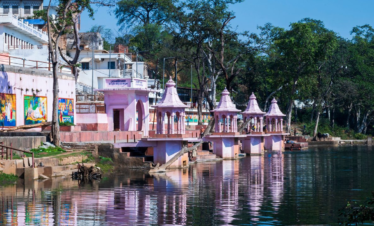
Falgu River – Gaya: The Falgu River holds immense religious importance in Hinduism. It is believed that performing Shraddha and Pind Daan here grants moksha (liberation) to ancestors. Though the river appears dry for most of the year, it flows underground and resurfaces during monsoon. Scriptures mention it as sacred during the Ramayana era. Pilgrims gather on its ghats to perform rituals, making it a spiritual lifeline of Gaya.
Entry Time: Open all day
Entry Fee: Free
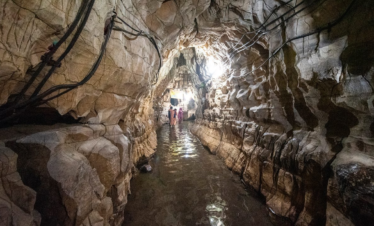
Dungeshwari Cave Temples – Bodh Gaya: Also known as Mahakala Caves, these ancient caves are located about 12 km from Bodh Gaya. Buddha practiced extreme asceticism here before realizing the Middle Path. The caves house statues of Buddha and Hindu deities, symbolizing religious harmony. Surrounded by rocky hills, the place offers peace and panoramic views. It is a significant stop for Buddhist pilgrims retracing Buddha’s spiritual journey.
Entry Time: 6:00 AM – 6:00 PM
Entry Fee: Free
Great Buddha Statue – Bodh Gaya: Standing at 80 feet, the Great Buddha Statue is one of the tallest Buddha statues in India. Installed in 1989, it depicts Buddha in meditation posture seated on a lotus. The statue is hollow, containing sacred relics and scriptures. It symbolizes peace, compassion, and spiritual discipline. The beautifully landscaped gardens enhance its calm surroundings.
Entry Time: 6:00 AM – 7:00 PM
Entry Fee: Free
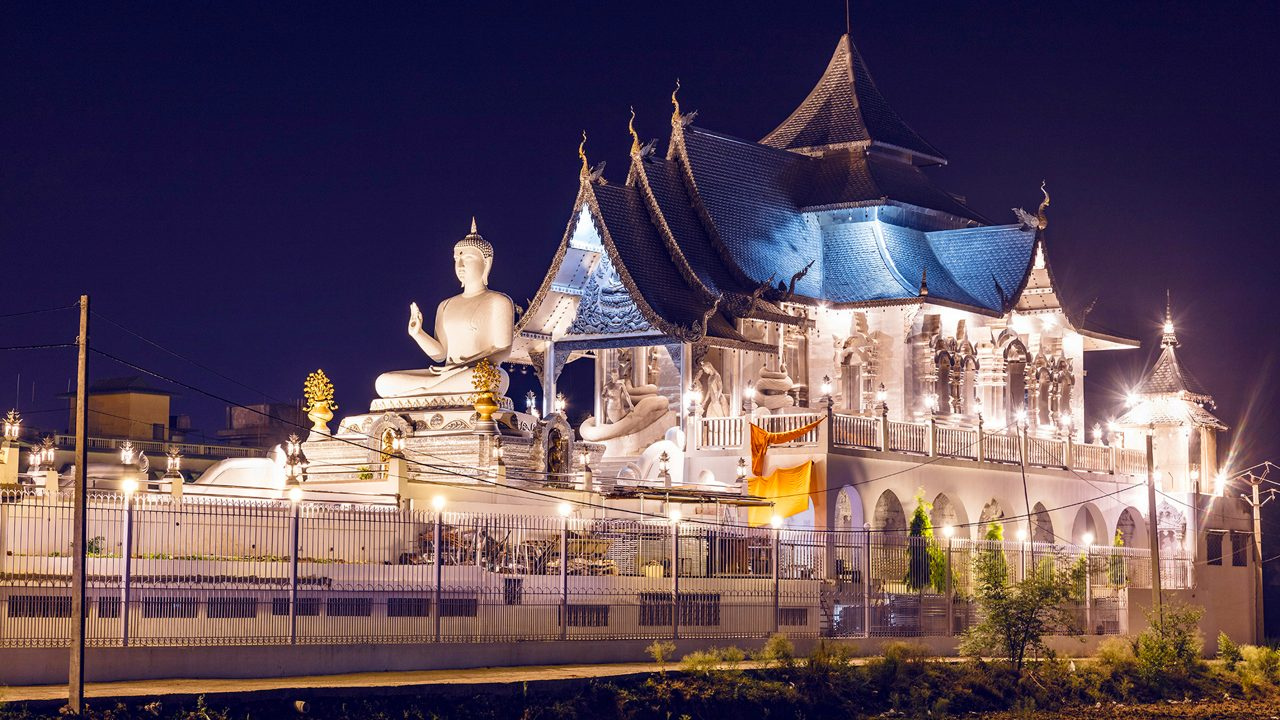
Thai Monastery – Bodh Gaya: Built by Thai Buddhists, this monastery reflects traditional Thai architecture with golden roofs and elegant interiors. It houses a bronze Buddha statue gifted by the King of Thailand. The monastery promotes Buddhist teachings, meditation, and cultural exchange. Its tranquil environment attracts international visitors.
Entry Time: 6:00 AM – 6:00 PM
Entry Fee: Free
Japanese Temple – Bodh Gaya: The Japanese Temple showcases Japanese Buddhist architectural style and features a massive Buddha statue. It promotes Zen Buddhism and offers meditation sessions. The temple stands as a symbol of Indo-Japanese spiritual ties and peace.
Entry Time: 6:00 AM – 6:00 PM
Entry Fee: Free
Tibetan Monastery – Bodh Gaya: Known for its vibrant murals, prayer wheels, and chanting monks, this monastery reflects Tibetan Buddhist culture. It hosts teachings by Tibetan monks and celebrates Buddhist festivals. The colorful architecture makes it visually stunning.
Entry Time: 6:00 AM – 6:00 PM
Entry Fee: Free
Sujata Garh – Bakraur (Near Bodh Gaya): This site commemorates Sujata, who offered milk-rice to Buddha, ending his severe penance. This act led him toward enlightenment. The nearby stupa honors her compassion and role in Buddha’s life.
Entry Time: 6:00 AM – 6:00 PM
Entry Fee: Free
The most sacred sites for ancestral rites and Buddhist pilgrimage.
- Trip Info: Destination: Gaya/Bodhgaya | Guide: One Person | Language: Hindi, English
- Trip Type: Outstation Taxi Booking
- Free Cancellation: Yes
Key Attractions
- Kashi Vishwanath Temple